An independent community heritage project

The heritage projectPeopleDr Ganapati Panja

Dr Ganapati Panja

Ganapati Panja was a dermatologist and bacteriologist at Calcutta’s School of Tropical Medicine.

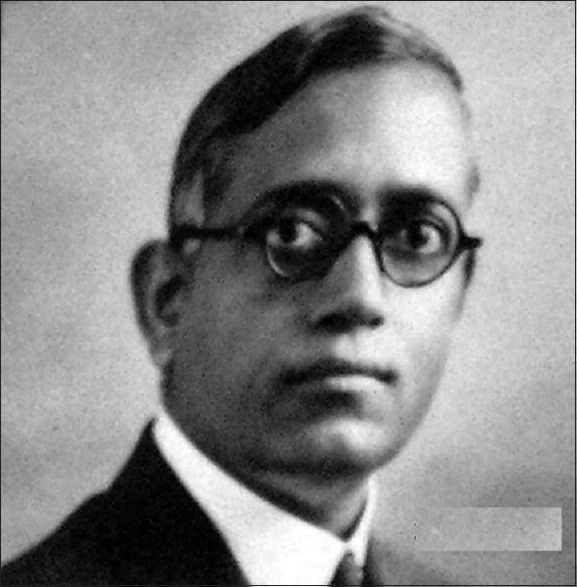
Verified historical portrait of Dr Ganapati Panja wearing glasses
Ganapati Panja. Figure 2 in Saumya Panda, Indian Journal of Dermatology (2015). CC BY-NC-SA 3.0; image unchanged. Original photographer not identified.

Dermatology · Medical research · Publishing

Life and work

1891–1959 · Founding editor of the Indian Journal of Dermatology

Ganapati Panja was a dermatologist and bacteriologist at Calcutta’s School of Tropical Medicine. He became the founding editor of the Indian Journal of Dermatology in 1955, guiding it until his death in 1959.[1]

His research included seborrhoeic dermatitis and Malassezia. The journal’s history places him alongside Hugh W. Acton in the development of dermatology at the Calcutta school.[1] His younger brother, Dhanapati Panja, also became a dermatologist.[2][3]

Achintya Kumar Dutta names Ganapati Panja of Majhigram among the community’s intellectual figures, pp. 313–314.[4]

Explore all featured personalities →

How the collection was selected

Read further

Notes & sources

  1. Saumya Panda, “Sixty Years of the Indian Journal of Dermatology: An Interpretation of the Journey” (2015). Article and Figure 2 consulted. Portrait reproduced unchanged under the article’s CC BY-NC-SA 3.0 licence; original photographer not identified. Source details
  2. Baridbaran Ghosh, Ganapati Panja biography — Anandabazar Patrika (2 January 2017). Used for the brothers’ relationship and medical background. Ganapati’s achievements are not transferred to Dhanapati. Source details
  3. Ei Samay, obituary of dermatologist Salil Kumar Panja (1 September 2023). Family and medical context. The obituary’s subject and photograph are Salil, not Dhanapati. Source details
  4. Achintya Kumar Dutta, “Prosperity, Dominance, and Social Mobility: Emergence of a Mobile Caste in Colonial Southwest Bengal” (2023), pp. 297–324. Complete chapter, including endnotes and references, read directly in the supplied book. Page references use its printed pagination. Origin hypotheses remain attributed to the author. Link opens the publisher’s book record. Source details

Search the heritage project

Enter a word or phrase to begin.

For Bengali text inside the journals, use the journal reader.