The Aguris, also known as Ugra Kshatriyas, are a Bengali Hindu community with deep historical connections to Rarh Bengal, particularly Bardhaman and the neighbouring districts of Birbhum, Bankura and Hooghly. Their story forms part of the wider history of Bengal’s villages, agriculture, learning and public life.[1]
Land and livelihood provide one starting point. Nineteenth-century accounts describe Aguris as cultivators and traders, with some families holding estates or other rights in land.[2] The Places and Culture sections explore this regional setting, from Bardhaman’s river valleys to village connections expressed through shared festivals such as Yogadya worship at Khirgram.[3] They also open a path towards preserving the family memories and everyday experiences through which heritage is passed on.
An origin story: from military service to the land
In Rajput O Ugrakshatriya (1940), Haricharan Bandhu traces the community’s ancestry to Rajput warriors who entered military service in Bengal and settled in Rarh. He interprets Ugra Kshatriya as an honourable designation expressing strength and valour. He connects the names Agari and Aguri with agrahari, a holder of land granted by a ruler, drawing particularly on his reading of the Mallasarul copperplate inscription.[4]
Bandhu’s account links these military and landholding families with subordinate rulers in Rarh. He associates the Pala kings with the Ratnakar lineage and the Sena kings with the Soma lineage of Ugra Kshatriya society. He also describes a later turn towards cultivation and trade as military livelihoods declined. These connections form the book’s historical interpretation; they do not establish a single ancestry for every Aguri family.[4] Explore the English translation, especially Chapters Three, Four and Nine, or read the different accounts together in our History section.
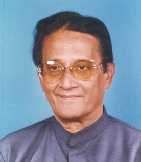
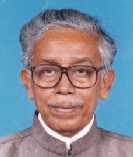
Individual lives offer another way into that story. Our People collection introduces personalities associated with the community in published accounts, including Ajit Kumar Panja in public service, Hare Krishna Konar in agrarian politics, Dr Ranjit Kumar Panja in medicine and Shakti Samanta in cinema. Their biographies and the other profiles connect the community’s heritage with Bengal’s wider public and cultural life.[1]
This website brings these strands together in English, with a Bengali edition planned. Its Resources section gathers historical books, research, biographies and periodicals that help us understand the community. Among them are Rajput O Ugrakshatriya, now available in English, and the Ugrakshatriya-Pratinidhi volumes, with selected articles translated into English.
Whether you are tracing your family’s roots, exploring a familiar village or meeting the Aguri community for the first time, welcome. Begin with a place, a person or a printed page. If you have photographs, documents or memories that could enrich the collection, the contribution guide explains how to prepare them for sharing. This heritage project grows through the places we remember, the lives we learn about and the experiences we preserve for future generations.