An independent community heritage project

The heritage projectPeopleHare Krishna Konar

Hare Krishna Konar

Hare Krishna Konar was a revolutionary and peasant organiser whose public life became closely associated with West Bengal’s agrarian politics.

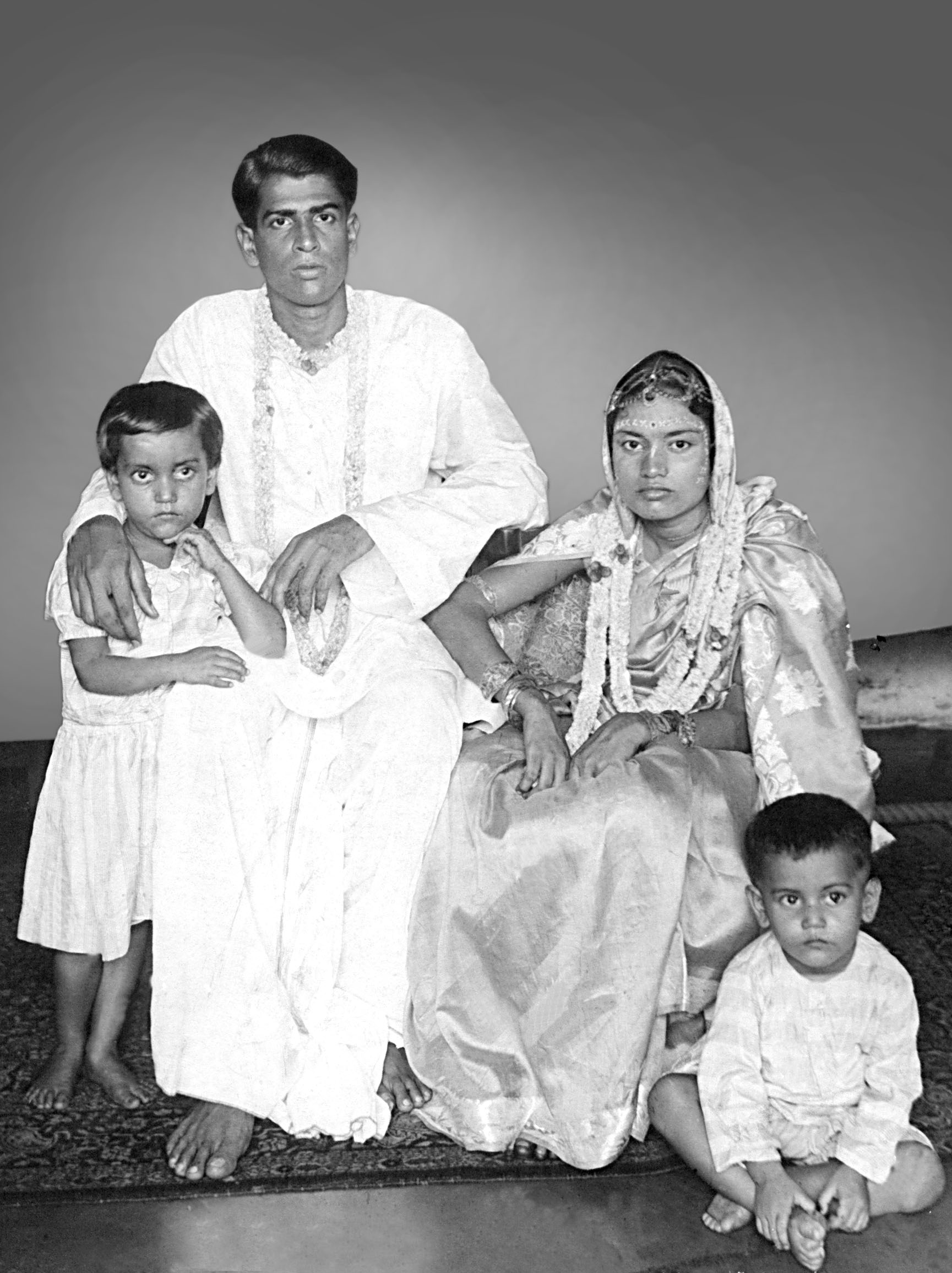
Hare Krishna Konar and Biva Konar with two children in an early family photograph
Hare Krishna Konar with Biva Konar; dated 1941 in the Commons catalogue. Credited there to West Bengal State Archives; marked public domain in India. The children are not identified in the catalogue.

Peasant movements · Land reform

Life and work

1915–1974 · Peasant organiser and state minister

Hare Krishna Konar was a revolutionary and peasant organiser whose public life became closely associated with West Bengal’s agrarian politics. After his release from imprisonment in 1938, he worked in the peasant movement. He later served as minister for land and land revenue in the United Front governments formed in 1967 and 1969.[1]

His work on surplus and benami land connects his biography to the wider history of cultivation, landholding and rural political organisation. The remembrance used here was written by a political colleague; its perspective and inconsistencies are explained in the source catalogue.[1]

Achintya Kumar Dutta includes him in his discussion of Ugra Kshatriya figures in Explorations in Colonial Bengal (2023), p. 314. Spellings of names vary between publications.[2]

Explore all featured personalities →

How the collection was selected

Read further

Notes & sources

  1. Biman Basu, “The Birth Centenary of Comrade HareKrishna Konar” (2014). A partisan remembrance, not an independent biography. It gives inconsistent Andaman dates and an age at death inconsistent with its own dates; those details are not repeated as settled facts. Source details
  2. Achintya Kumar Dutta, “Prosperity, Dominance, and Social Mobility: Emergence of a Mobile Caste in Colonial Southwest Bengal” (2023), pp. 297–324. Complete chapter, including endnotes and references, read directly in the supplied book. Page references use its printed pagination. Origin hypotheses remain attributed to the author. Link opens the publisher’s book record. Source details

Search the heritage project

Enter a word or phrase to begin.

For Bengali text inside the journals, use the journal reader.